Trademark Boutique.
We are the geeks who lose sleep protecting your brand ®

We are the geeks who lose sleep protecting your brand ®

July 17, 2022
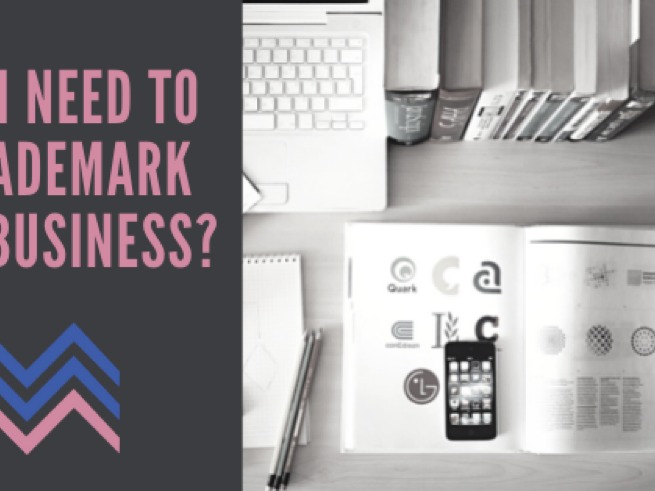
Do I Need to Trademark My Business?
This is a question we hear over and over again. Whether your business is established, having been around for decades, or you run your startup idea from your closet on the weekends, you should have a plan of action for protecting your company’s intellectual property assets, including the company or brand name and logo. It’s never too early or too late to start the trademark process, and having officially registered marks sets your business up to take a strong position in its market.
Not convinced yet? That’s okay. In this blog post we’re going to go through EVERYTHING you need to know so you can decide what direction you want to go in with your company’s trademarks. Here’s what you’re going to learn:
We’ve got a lot to cover in today’s blog, so let’s get right to it! A trademark is anything that identifies your services or products, to break it down to the most basic definition – anything that differentiates you from your competitors, and helps customers recognize you. Generally, these identifiers are either words, phrases, symbols, or designs, or sometimes a combination of all or some of these assets used in connection with particular goods or services. However, the definition of “trademark” means that almost anything is a possibility: sounds, smells, tastes, and even colors can all be trademarked. For most purposes, a more traditional mix of text and graphics meet the business’s needs, so don’t worry too much about creating the right sound or smell to communicate to your audience.
MOST trademarks companies will be considering filing will either be standard character or special form (design) marks. Standard Character marks, aka word marks, are words, letters, or numbers only, or sometimes a combination. They can be used in any font and there is no specific stylization. For example, phrases like “It’s Finger-lickin’ Good!” “Just Do It” “America Runs on Duncan’s” and brand names like “Coca-Cola” “Twitter” “Lululemon” are all great examples of standard character trademarks. Standard marks are protecting the words, regardless of how they are displayed.
Design marks/ special form trademarks include marks that are stylized, are in a specific color, or have some other type of design element. What we think of as logos are a large part of special form marks, but they can also refer to marks that consist of text in a specific font, or otherwise visually stylized in some manner.
Iconic special form trademarks


Hopefully you now have a better understanding of the definition of trademarks, including special form and standard form marks. With that knowledge under our belts, we’re moving onto helping you make the choice: to register a trademark? Or not?
Who DOESN’T Need to Register their TM?
This article is meant to help readers decide whether or not to go through the trademark process . Realistically, not everyone needs to. There are a very limited number of scenarios in which it’s simply not necessary to register your trademark, which we are going to run through below:
There are not many exceptions, but if your business fits into either one or both of these scenarios and you don’t have any other reasons to pursue a legal trademark then, well, your work here is done! For everyone else, let’s get to the good stuff: the awesome BENEFITS that come along with having a legally registered trademark!
Legal Benefits of Registering Your Trademark
The most reassuring part of having legal rights to a trademark is probably the legal upper hand that you now have thanks to your decision to legally file your mark. Let’s go through all of the best legal perks that come along with the territory:
Financial Benefits of Registering Your Trademark
The legal arguments for trademark registration are pretty obvious – most professionals have some concept of trademark infringement and the potential headaches that can come along with not crossing your t’s and dotting your i’s. The legal protection is great, but arguably even more rewarding are the variety of unexpected financial benefits that businesses can experience when they choose to go through the process of trademark registration.
So, What’s the Takeaway?
We just hit you with a lot of information about trademark registration, but all of it can ensure that you take whatever steps are best for your business and individual circumstances. There are an overwhelming amount of reasons why you SHOULD register trademarks, but as you now know it’s not necessarily the right fit for every single case.
Our hope is that by providing this comprehensive dive into trademarks – their definition, examples of different mark types, reasons for not registering, and finally the benefits both financial and legal that come along with registering marks – you are better informed and equipped to make the choices that will grow your business!
If you aren’t already following us on social media, we post high-value, useful information for business owners on our Instagram (@tamarapesterlaw) every single day! Don’t forget to share this blog post if you got something out of it.
Thanks for reading, see you soon!
Volkswagen Photo by Andrea De Santis on Unsplash and Starbucks Photo by Henry & Co. on Unsplash