
Copyright Enforcement
What Is Copyright Enforcement?
Copyright enforcement is the process by which creators and rights holders protect their original works from unauthorized use. While copyright ownership grants the legal right to control the reproduction, distribution, performance, and adaptation of a work, enforcement is what ensures these rights are respected and upheld. Simply owning a copyright does not automatically prevent infringement; active steps are required to defend those rights and preserve the long-term value of intellectual property.
Effective enforcement is not only about stopping infringement—it is a strategic component of intellectual property management. By addressing violations promptly, creators safeguard the commercial potential of their works, maintain market credibility, and prevent the dilution of their intellectual property portfolio. In short, copyright enforcement is both a defensive and proactive measure, crucial for individuals, businesses, and creative enterprises that rely on intellectual property as a core asset.
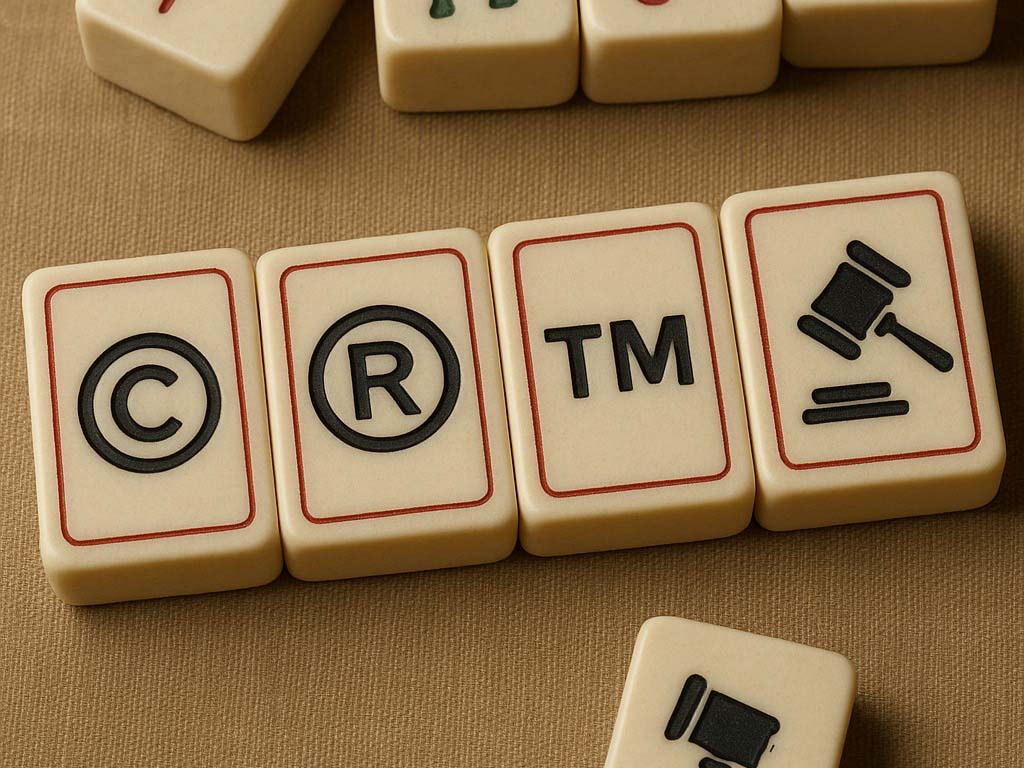
What Counts as Copyright Infringement?
Copyright infringement happens when a protected work is used without the permission of its owner in ways that the law exclusively reserves for the copyright holder. These rights include reproducing, distributing, publicly displaying, performing, and creating derivative works from the original material. Infringement can occur in many forms, making it important to understand the nuances for effective protection and enforcement.
Common forms of infringement include:
- Unauthorized reproduction: This occurs when a work is copied—either partially or in full—without consent from the copyright holder. Reproductions can be tangible, such as photocopying a book, or digital, like duplicating software code or media files. Even creating multiple versions for private use may constitute infringement if it exceeds the rights granted by law.
- Distribution without permission: Sharing, selling, or otherwise distributing a copyrighted work without authorization violates the copyright holder’s right to control how their work is disseminated. This includes physical sales, online file-sharing platforms, email distribution, or even posting materials on third-party marketplaces without licensing.
- Public display or performance: Copyright owners have the exclusive right to present their works publicly. Infringement occurs when a copyrighted work is displayed or performed without permission. Examples include screening films in public venues, performing songs at a concert or event, exhibiting artwork in galleries, or broadcasting media content without proper clearance.
- Creation of derivative works: Modifying, adapting, or creating new works based on an existing copyrighted work without authorization is a common form of infringement. This can include adaptations of books into scripts, remixing music, translating works into another language, or using software code as a basis for new applications without permission.
- Online and digital infringement: The digital environment has created numerous opportunities for infringement. Posting copyrighted images, videos, music, or written works to websites, social media, or streaming platforms without proper licensing constitutes infringement. Unauthorized downloads, torrents, and content aggregation also fall under this category.
Legal standards for determining infringement are guided by several factors:
- Originality of the work: The work must be sufficiently original and creative to qualify for copyright protection. Common ideas or facts themselves are not protected; it is the specific expression of those ideas that is protected.
- Rights granted to the copyright owner: Understanding the scope of exclusive rights—reproduction, distribution, public performance, display, and derivative works—is crucial. Unauthorized use in any of these areas may be infringing.
- Exceptions and defenses: Certain uses may not constitute infringement under doctrines such as fair use, which considers the purpose, nature, amount, and effect on the market for the copyrighted work. Other exceptions include educational use, library archiving, or incidental use under specific circumstances.
Infringement is not always obvious. Even minor or unintentional uses can trigger legal liability if they fall outside permitted exceptions. Recognizing these boundaries and documenting unauthorized use is essential before pursuing enforcement actions, whether through informal notices, takedown requests, or litigation.
Initial Steps in Copyright Enforcement
Before pursuing formal legal action, it is essential to adopt a measured, strategic approach to copyright enforcement. Jumping too quickly into litigation or aggressive measures can increase costs, escalate disputes, or even create legal exposure. The initial steps focus on understanding the infringement, preserving your rights, and planning a course of action that aligns with both legal requirements and business objectives.
Key initial steps in copyright enforcement include:
1. Identifying Infringing Activity
The first step is to detect unauthorized use of your copyrighted work. Infringement can appear in a variety of forms, from physical reproductions to digital copies posted online. Rights holders often use monitoring tools, alerts, or third-party services to track where and how their works are being used. For instance, software developers may monitor code repositories, while musicians or visual artists might scan streaming platforms, social media, or online marketplaces. Early identification allows you to act promptly, limiting potential damages and preventing further unauthorized use.
2. Preserving Evidence
Documenting and securing evidence of infringement is critical. This may include saving digital copies, taking screenshots, recording URLs, noting timestamps, and maintaining logs of communications or transactions related to the infringing activity. Proper evidence preservation ensures that if enforcement escalates to formal action, you have a clear record to support your claim. Evidence must be collected in a way that maintains authenticity and admissibility in court or administrative proceedings.
3. Confirming Ownership and Registration Status
Before taking enforcement action, verify that you hold enforceable rights. While copyright exists automatically upon creation of an original work, registration with the U.S. Copyright Office provides additional legal benefits, including eligibility for statutory damages and attorney’s fees in federal court. Confirming ownership and ensuring all rights are properly documented prevents disputes over legitimacy and strengthens your enforcement position.
4. Evaluating Scope and Impact
Not all infringements warrant the same response. Assess the scale of the infringement, the potential financial or reputational impact, and whether it is likely to be ongoing. This evaluation helps determine the urgency of action and informs the type of enforcement that is appropriate. For example, a small-scale, one-time unauthorized use may be resolved informally, while widespread commercial exploitation could require litigation.
5. Strategic Decision-Making
Once infringement is identified and evidence is preserved, consider the most effective path forward. Options may include informal negotiation, sending cease and desist letters, issuing DMCA takedown notices for online content, or pursuing litigation. Each approach carries different implications in terms of cost, time, and risk. A strategic plan ensures that enforcement actions are deliberate, legally sound, and aligned with broader business or creative objectives. Taking these steps carefully helps rights holders avoid common pitfalls, maintain compliance with copyright law, and lay the groundwork for a robust enforcement strategy. By approaching copyright enforcement methodically, creators and businesses can maximize protection for their intellectual property while minimizing unnecessary conflicts and expenses.
Cease and Desist Letters and Takedown Notices
One of the first formal steps in copyright enforcement is issuing communications to the infringer.
- Cease and desist letters serve as a warning, outlining the infringement, asserting rights, and requesting that the infringing activity stop. These letters can resolve many disputes without litigation, particularly when the infringer may not be aware of their legal obligations.
- DMCA takedown notices under the Digital Millennium Copyright Act offer a legal way to have infringing content removed from online platforms. When drafted correctly, these notices help safeguard the rights holder’s work while reducing the potential for legal challenges.
While informal resolutions are often effective, they must be handled carefully. Improperly drafted letters or takedown requests can escalate disputes or expose the rights holder to liability. Legal guidance ensures these communications are both compliant and persuasive.
Copyright Infringement Litigation
When informal measures fail or the infringement is significant, copyright holders may pursue litigation in federal court. Key considerations include:
- Filing a lawsuit: Initiating a federal claim to assert rights and seek remedies.
- Injunctive relief: Obtaining court orders to immediately stop ongoing infringement.
- Statutory and actual damages: Seeking financial compensation for unauthorized use, which may include enhanced damages for willful infringement.
- Attorney’s fees: Recovering legal costs when eligible under copyright law.
- Settlement considerations: Negotiating agreements to resolve disputes efficiently while protecting ongoing interests.
Litigation is often complex and resource-intensive, but it remains a critical option for enforcing rights when necessary.
How a Copyright Attorney Assists With Enforcement
Navigating copyright enforcement can be complex, requiring not only a deep understanding of intellectual property law but also strategic judgment to protect creative works effectively. A copyright attorney provides essential guidance and support throughout this process, helping rights holders safeguard their assets while minimizing legal and business risks.
Assessing the Strength of the Claim
A copyright attorney begins by evaluating the validity and enforceability of your claim. This includes reviewing the original work, confirming copyright ownership and registration status, and analyzing the evidence of infringement. Attorneys also consider potential defenses an alleged infringer might raise, such as fair use or independent creation. By assessing the strengths and weaknesses of a case upfront, the attorney can advise whether enforcement is likely to succeed and which approach is most appropriate.
Developing Enforcement Strategies
Effective enforcement requires a carefully considered strategy. A copyright attorney can help determine whether informal resolution, administrative measures, or litigation is the most suitable approach. This strategic planning takes into account factors such as the scale of infringement, potential damages, reputational impact, and the long-term goals of the rights holder. For instance, smaller or unintentional infringements may be resolved through direct negotiation, while widespread commercial misuse might necessitate a more formal legal response.
Drafting Demand Letters and DMCA Notices
One of the attorney’s critical roles is drafting legally precise communications to infringers. Cease and desist letters outline the infringement, assert legal rights, and request cessation of unauthorized activity, often encouraging compliance without resorting to litigation. Similarly, for online infringement, attorneys prepare DMCA takedown notices to remove infringing content from digital platforms. Properly crafted communications ensure that enforcement actions are effective, legally sound, and minimize the risk of counterclaims.
Representing Clients in Court Proceedings
When informal measures are insufficient, a copyright attorney can represent the rights holder in federal court. This includes filing lawsuits, seeking injunctive relief to stop ongoing infringement, pursuing statutory or actual damages, and negotiating settlements. Experienced attorneys manage all aspects of litigation—from discovery and pleadings to trial preparation and negotiation—ensuring that the client’s interests are protected at every stage.
Aligning Enforcement With Business Objectives
Beyond the legal aspects, a copyright attorney ensures that enforcement aligns with broader business or creative objectives. This might involve protecting revenue streams, maintaining brand reputation, or preserving relationships with partners and collaborators. Attorneys help rights holders take a measured approach, enforcing their copyrights in ways that strengthen their overall intellectual property portfolio and support long-term commercial strategy.
With the guidance of a skilled copyright attorney, enforcement becomes a structured, proactive process. Rights holders gain the confidence to defend their creative assets, address infringement efficiently, and minimize unnecessary disputes, all while ensuring that enforcement decisions reinforce their strategic goals rather than creating additional risk.
For more information about how intellectual property enforcement fits into a broader legal strategy, explore our intellectual property practice areas.