Trademark Boutique.
We are the geeks who lose sleep protecting your brand ®

We are the geeks who lose sleep protecting your brand ®

November 20, 2024
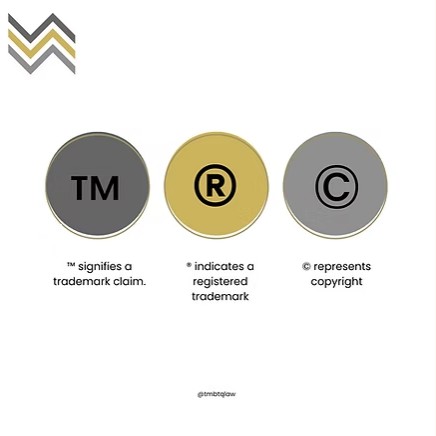
At the recent Western Slope Startup Week ("WSSW") event in Durango, I had the privilege of discussing the nuances of intellectual property (IP) and offering essential strategies for creators and businesses. Intellectual property can be complex, but understanding its various forms is crucial for protecting and leveraging your creations.
There are four primary categories of intellectual property:
One key point I highlighted was the importance of keeping trade secrets confidential. It's not enough to simply create valuable information; you need to take tangible steps to keep it private. Whether through secure, password-protected folders or limiting access to only those who need to know, proper protection is critical. For example, don’t leave trade secrets accessible in a publicly shared Google Drive folder.
Trademarks were a major focus of the session, as they account for about 60-70% of my practice at TMBTQ. A trademark can be almost anything that differentiates your goods or services from others: words, logos, and sometimes even colors, sounds, or smells. The strength of a trademark often lies in its distinctiveness.
For instance, made-up words such as “Lululemon” or “Starbucks” are powerful trademarks because they are unique to those brands. These marks aren't descriptive of the products themselves, which gives them a broad sphere of protection. In contrast, choosing more generic names like "Outdoor Adventure" puts businesses in what we call a "crowded field," making enforcement of the trademark far more challenging.
To build a strong trademark, I introduced four key strategies:
One of the more interactive parts of the session was discussing cautionary tales from my own experience, especially when businesses skip important steps like conducting a thorough search before filing a trademark application. I shared the story of a client in the UK who chose not to do a comprehensive search before applying in the U.S. Despite my warnings, they moved forward to save on costs. Sure enough, they received an office action due to a prior similar mark they were unaware of. This is why I highly recommend a comprehensive search before filing—it’s the most expensive part of the process, but it can save thousands in legal fees and potential rebranding costs later on.
The USPTO will not register marks that are "merely descriptive" or generic, such as “The Gray Chair” for furniture. Geographic terms can also be problematic, though there are exceptions. For example, I helped a client secure a trademark for "Morrison Outdoors," which initially seemed geographically descriptive but had personal significance.
Whether you are protecting a logo, slogan, product design, or proprietary information, being strategic and proactive with your intellectual property is key to safeguarding your business’s future. A well-protected trademark or trade secret can become a significant asset and shield your business from costly legal disputes.